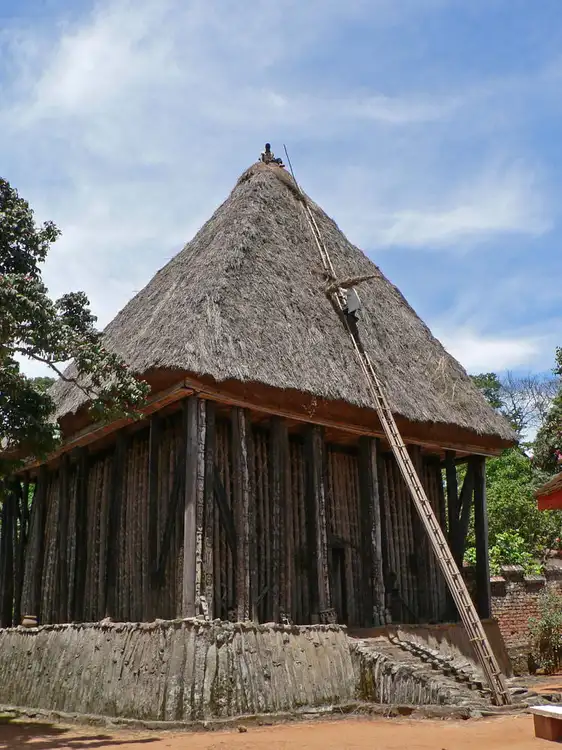
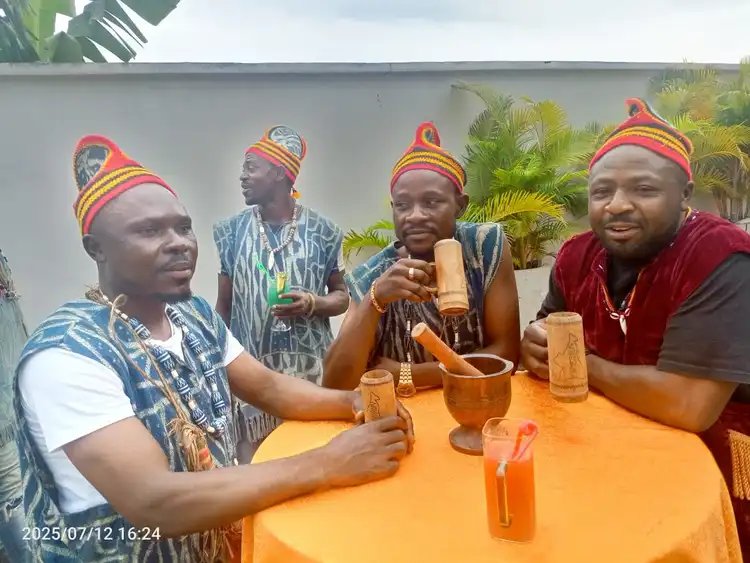
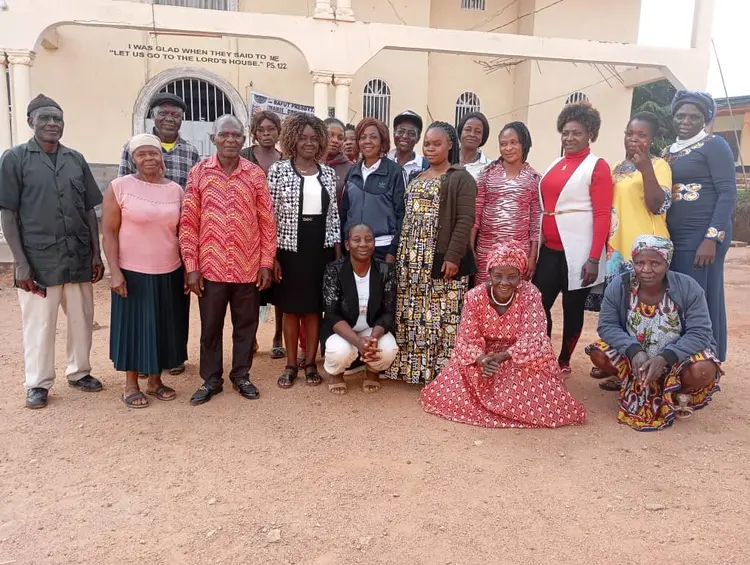
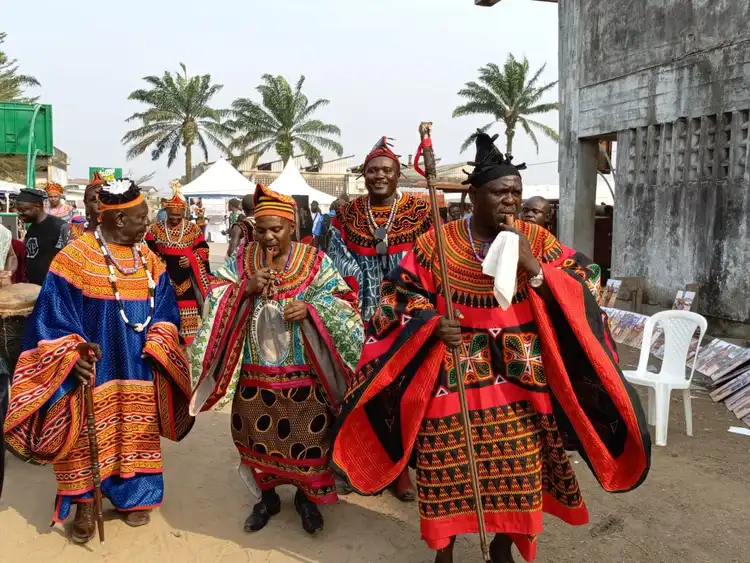
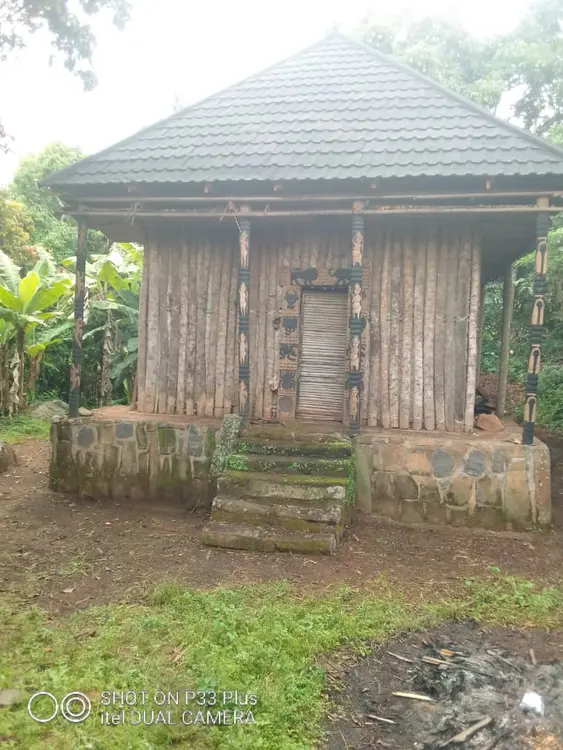
The M̀bàà shrine.
This is the origin and perhaps the abode of the supreme governing sacred society in the Bafut Kingdom, the Kweʼefɔ̀ from over 600yrs. Located at Atubayoŋg/Àtubayɔŋ near Mbebili the area of the original settlers of the Bafut people, today renovated for cultural and touristic purposes.
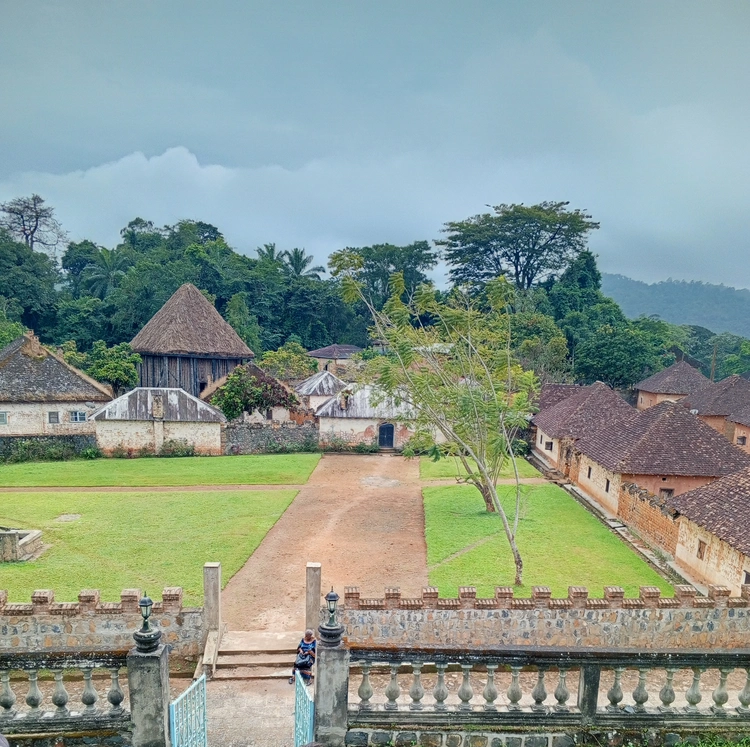
The Bafut Palace Royal Shrine
The present abode of the kwèʼefɔ̀ which is actually the tombs of the past Fons that have ruled the Bafut Kingdom, located at the heart of the Bafut Palace in Bujong/Bɨ̀jòŋ.
Àtsùmə ntɔʼɔ Bɨ̀fɨɨ̀
Àa àdɨ̀gə yìi mə Kwèʼefɔ̀ yìi mə a saʼa alaʼa Bɨfɨɨ à tswe ghu aà. Mɨ̀fùm mɨ bɨ̂fɔ̀ bìi mə bi lɛɛ̀ m̀bwɛkə tswe aa faà.
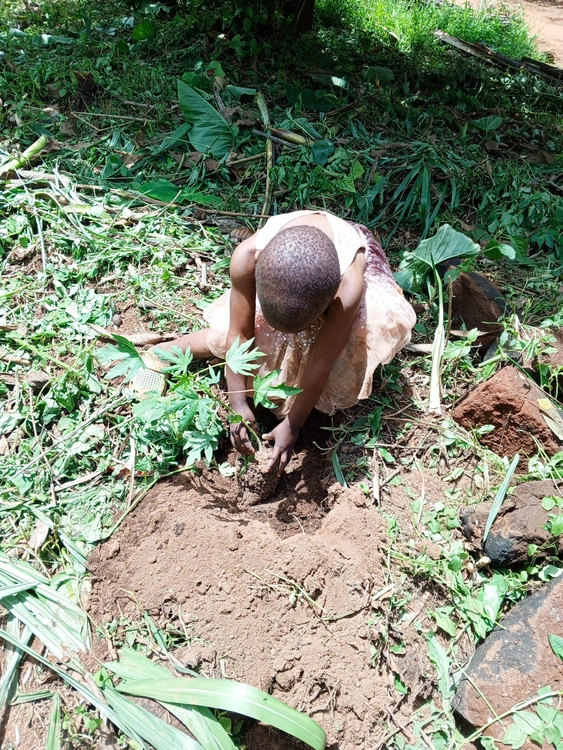
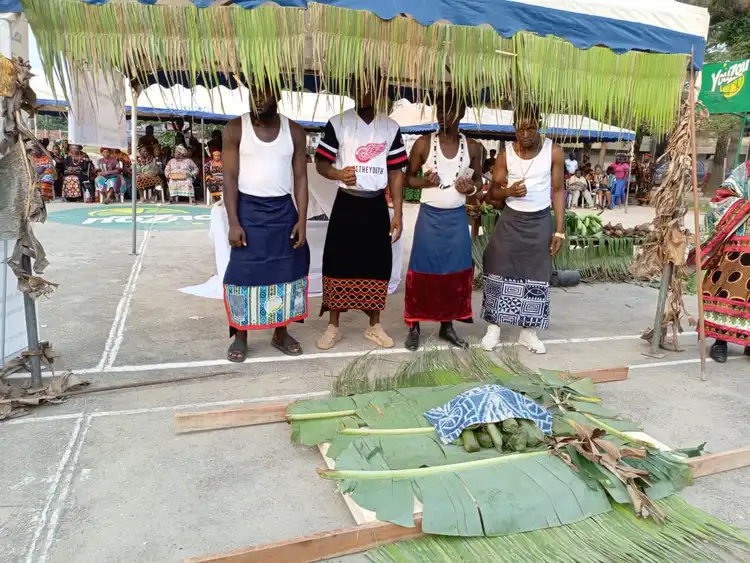
Agriculture and tree planting is a staunch cultural practice in Bafut passed down to younger generations.
Nɔ̀ŋsə̀ àlaʼa yìi à nɨ yî m̀bě ǹjoo kə ǹtswa àsɔ aa, àa mbə annù mə Bɨ̀fɨɨ dɨ̀ʼɨ̀ nɨ a mbo bɔɔ̀ byaa mə bò ka ŋghɨrə a mɨwaa mɨwaa.
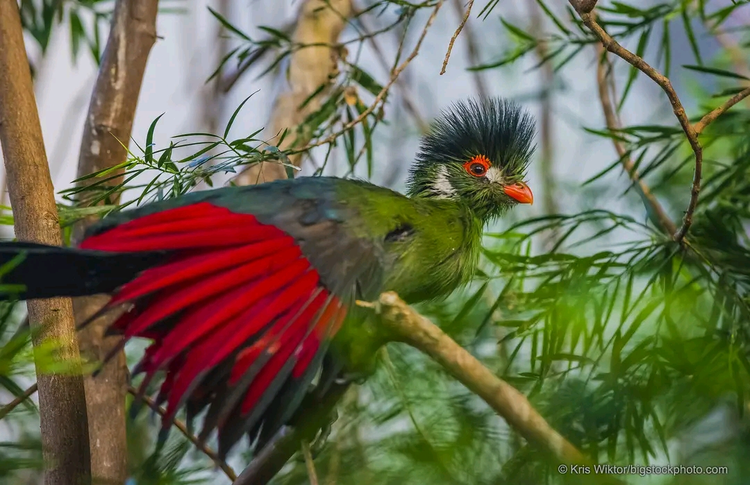
The Banama Turaco (Fɨ̀ŋgùʼù) is an important cultural bird. The rich cultural importance of its feathers makes it a protected bird given its endemic character. The feathers are used for decoration on the indigens to identify nobility gained through merit.
Fɨ̀ngùʼù a nɨ sɨn nɔ̀ŋsə̀ a mbo Bɨ̀fɨɨ̀. Nɨ̀bɔ̀ŋ nìi nɨ tswe a nɨ mɨ̀fùrə̀ mɨ ghɨrə Bɨfɨɨ ləə̀ sɨŋ mà ghû nɨ sɨŋ nɔ̀ŋsə̀.. A bɔŋ a ŋkɨ nzi mə sɨŋ mà ghû à tswe aa tsiʼì a mbɨ̌ bìʼinə̀ faà mə. Bɨ lɔ̀gə̀ aa mɨ̀fùrə̀ mi mû ǹyarə nɨ ŋ̀gùʼu bə̀ ghu.
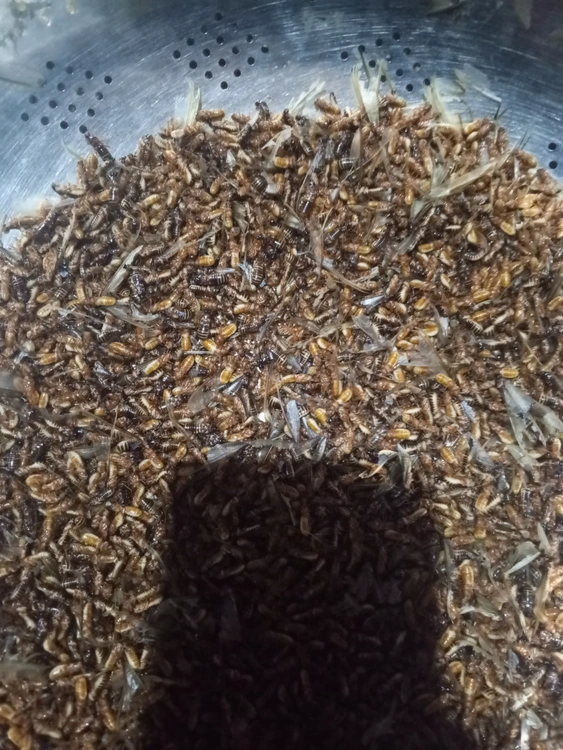
Termites are a rich source of protein. Harvested at the dawn of the dry season (Late Otober and early November- Sǎŋ ǹtsyabɛ̀ɛ̀), some of it is sold especially during the local market days.